Canada
 USA
USA Japan
Japan





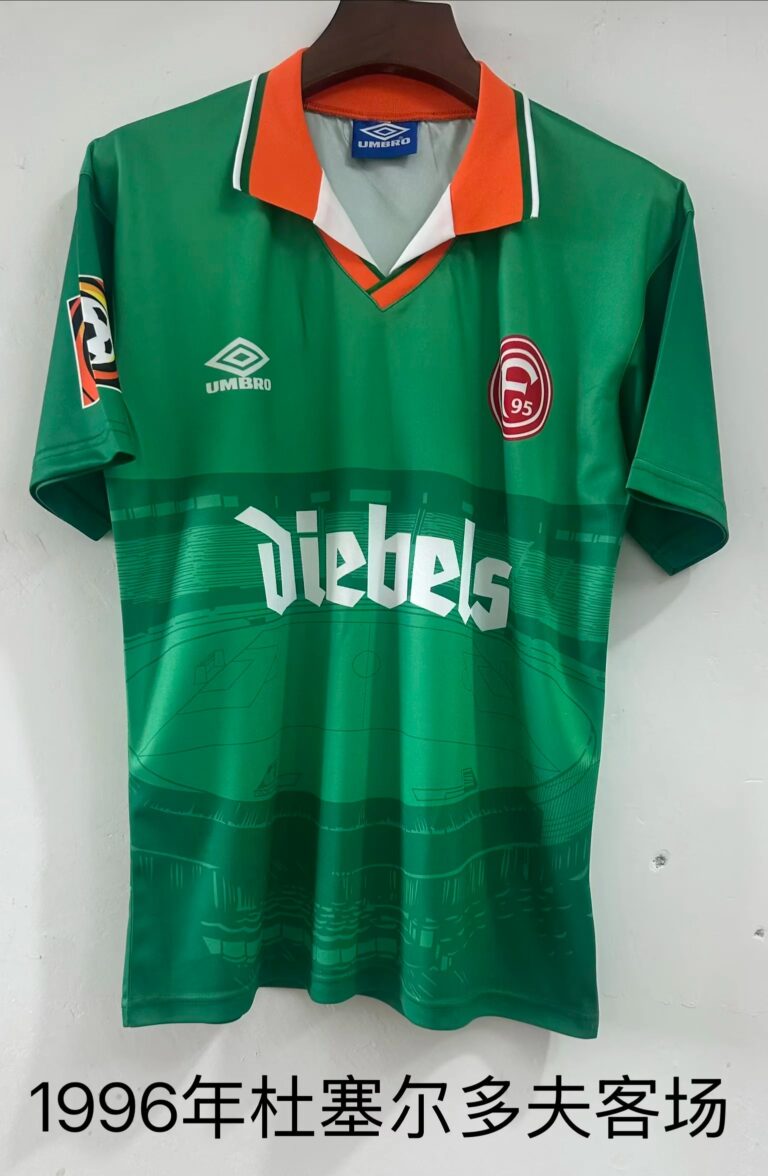
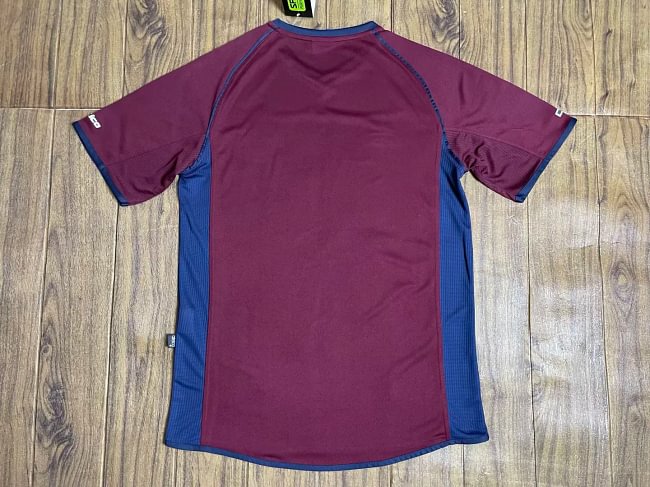

The summer of 1998 delivered one of the most visually unforgettable national team uniforms in the entire history of FIFA World Cup competition, worn by Mexico’s men’s national squad for every group stage match held across France’s tournament stadiums.
This full home kit abandoned simple solid colour schemes favoured by most competing nations that year, instead drawing every core design element directly from Mexico’s ancient Aztec cultural heritage, centred around the sacred Sun Stone calendar that stands as one of the nation’s most treasured pre-Hispanic artifacts.
The deep forest green base forms the foundation of the jersey, entirely overlaid with intricate etched patterns mirroring the carvings found on the massive stone monument. Symbols representing celestial cycles, ancient gods and indigenous agricultural traditions wrap across the chest, sleeves and lower hem, creating a flowing, immersive visual that immediately set Mexico apart from every rival side from Brazil to Germany, Argentina to Italy.
Even the subtle trim along the crew neck and sleeve cuffs carried scaled-down fragments of the Aztec calendar print, tying every small design detail back to Mexico’s millennia-long cultural identity.
This culturally rich uniform was the official match jersey for Mexico’s legendary 1998 World Cup squad, led by fan favourite Cuauhtémoc Blanco alongside clinical striker Luis Hernández, two household names that defined the country’s attacking identity through all three group fixtures.
The team opened their campaign with a thrilling draw against European powerhouse Netherlands, followed by a dominant victory over South Korea, before closing out group play with a narrow defeat to Belgium, securing a memorable international run that still resonates with Mexican football fans decades later.
Blanco’s signature playmaking style and iconic tricks were showcased to a worldwide television audience every time he stepped onto the pitch wrapped in this one-of-a-kind printed strip, cementing his legacy as one of Mexico’s greatest ever attacking talents.
Beyond the competitive matches played in France, this jersey has evolved far beyond a simple piece of matchday sportswear. Its unmatched cultural artwork turned it into a cornerstone of modern blokecore street styling, shared widely across Instagram, TikTok and vintage clothing marketplaces by fans who blend retro football aesthetics with everyday urban fashion.
Unlike generic vintage national shirts that rely solely on team crest branding, this Mexico 1998 strip carries deep cultural storytelling within every inch of its print, giving collectors far more than just a nostalgic football piece to add to their vintage apparel collections.
Year after year, search interest for this specific 1998 Aztec design remains consistent across Latin America, North America and Western Europe, as new generations of football supporters and vintage style enthusiasts seek out the distinct, eye-catching kit that made Mexico stand out on the world’s biggest sporting stage more than two decades ago.